Curious about yoga and its diverse styles? Look no further! In this blog post, we’ll explore the contrasts between Vinyasa yoga and other popular yoga styles. Whether you’re a beginner or a seasoned yogi, understanding these differences can help you choose the practice that aligns best with your needs and goals. So, let’s unravel the unique characteristics of Vinyasa yoga and discover how it sets itself apart from other styles on the mat.
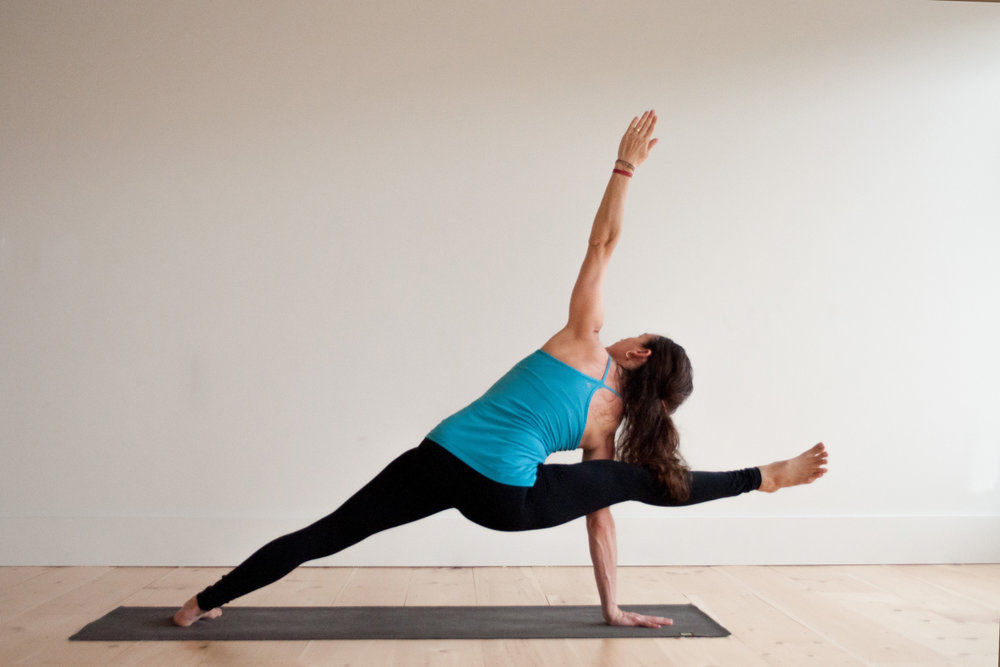
What Is Vinyasa Yoga And How Does It Differ From Other Styles?
Vinyasa yoga, a dynamic and flowing style, sets itself apart from other yoga practices through its emphasis on seamlessly linking movement with breath. Unlike traditional yoga styles that focus on holding static poses, Vinyasa incorporates a continuous flow of postures, creating a rhythmic and meditative experience. This synchronicity cultivates strength, flexibility, and balance while promoting mindfulness. By embracing fluid transitions, Vinyasa offers a refreshing approach that keeps practitioners engaged and energized throughout the practice. You can practice this yoga from the Alpha yoga school who offer yoga teacher training in Europe and around the world.
What Are The Key Elements That Distinguish Vinyasa Yoga?
Vinyasa yoga is characterized by several key elements that distinguish it from other yoga styles. First and foremost is the integration of breath and movement. Every pose is coordinated with a specific breath pattern, fostering a harmonious connection between body and mind. Additionally, Vinyasa emphasizes creativity and variety, as instructors have the freedom to design sequences according to the needs and abilities of their students. This element of adaptability ensures that each Vinyasa class is unique and offers a fresh experience every time.
How Does Vinyasa Yoga Compare To Hatha Yoga?
While both Vinyasa and Hatha yoga share common roots, they differ in their approach and focus. Hatha yoga typically involves holding static poses for extended periods, with an emphasis on alignment and breath awareness. In contrast, Vinyasa yoga incorporates continuous movement, seamlessly flowing from one pose to another. This dynamic nature of Vinyasa builds heat within the body, promoting detoxification and increased cardiovascular fitness. While Hatha yoga provides a foundation for physical and mental well-being, Vinyasa adds a dynamic element that engages practitioners on a deeper level.
Conclusion
Vinyasa yoga stands out among other yoga styles with its dynamic flow, breath-to-movement connection, and adaptability. The seamless transitions and creative sequencing create a captivating practice that promotes strength, flexibility, and mindfulness. Whether you’re drawn to the rhythmic flow or the opportunity for self-expression, Vinyasa yoga offers a unique experience on the mat. So why wait? Embrace the beauty of Vinyasa and embark on a transformative journey. Sign up for a Vinyasa yoga class today and discover the incredible benefits for your body, mind, and spirit.
 Cash Flows