In the world of fashion accessories, first copy bags hold a unique place. They offer the style and appearance of high-end designer bags without the hefty price tag. For many fashion enthusiasts, these replicas provide a taste of luxury and exclusivity, but not all first copies are created equal. The quality of a first copy bag largely depends on the materials used in its construction. In this post, we’ll explore the materials that are commonly used in high-quality first copy bags and how they contribute to the overall look, feel, and durability of these sought-after accessories.
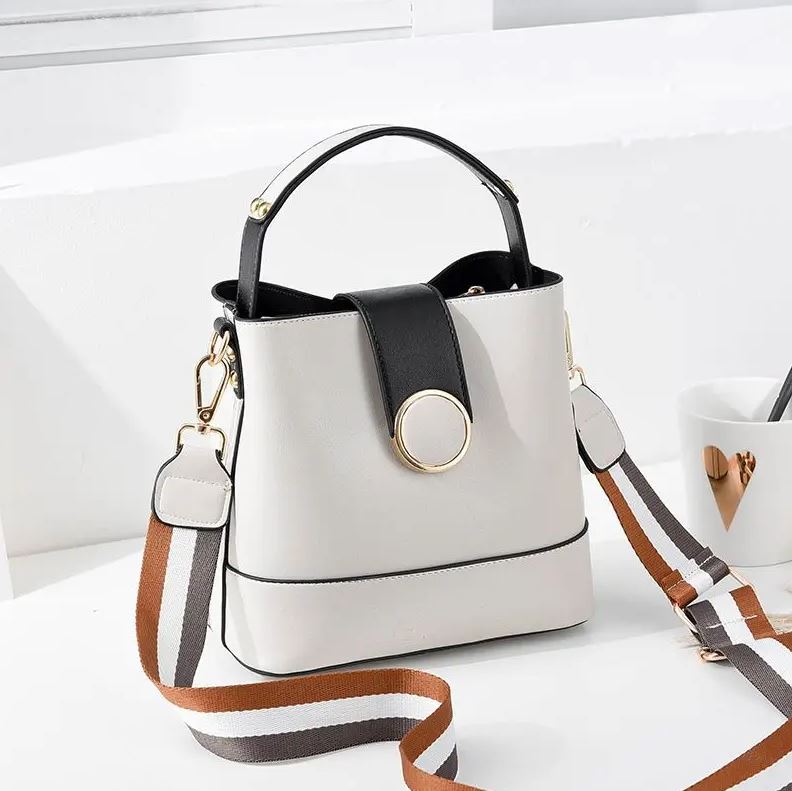
Leather: Real and Synthetic
Genuine Leather: High-quality first copy bags often use real leather due to its durability and the way it ages beautifully over time. It is common to find top-grain or full-grain leather in these bags, which is sanded and treated to remove imperfections. However, genuine leather can vary significantly in quality, and premium first copies use leather that is closest in texture and softness to the original designer pieces.
PU Leather: Polyurethane (PU) leather is a synthetic alternative that is frequently used due to its lower cost and versatility. While not as durable as genuine leather, high-grade PU can still offer a similar look and feel. It’s also easier to work with, allowing for a greater range of colors and textures.
PVC Leather: Polyvinyl chloride, or PVC leather, is another synthetic alternative that is less breathable than PU but can be made to look very similar to real leather. It’s waterproof and can be quite durable, which is why it’s used in some first copy bags.
Fabrics
Canvas: Many designer bags use canvas, especially for printed designs. High-quality first copy bags also utilize heavy-duty canvas that closely matches the weight and texture of the original. This material is favored for its durability and the sharpness with which it can hold printed patterns and logos.
Microfiber: Microfiber is a fine synthetic fabric that is often used for the lining of first copy bags. It’s soft, durable, and comes in a range of qualities. Premium first copies use high-grade microfiber to mimic the lining of genuine designer bags.
Nylon: High-strength nylon is sometimes used for more casual or sporty designer replicas. It’s lightweight, strong, and can be dyed in vivid colors, which makes it a versatile choice for first copy manufacturers.
Hardware
Metals: The hardware on a bag – including zippers, buckles, chains, and logo plates – plays a significant role in its overall quality. High-quality first copy bags use metal hardware that is weighty and often coated with materials that resist tarnishing and wear, such as nickel or brass.
Zippers: A high-quality first copy bag will often feature zippers from YKK or other reputable manufacturers, which are known for their smooth operation and longevity.
Adhesives and Stitching
Threads: The thread used in stitching together parts of the bag must be strong and durable. Many premium replicas use nylon or polyester thread for increased tensile strength and resistance to wear and tear.
Adhesives: Good quality adhesives are essential for areas where sewing is not possible. High-quality first copy bags will use industrial-grade adhesives that create a strong bond without the messiness or excess.
The Art of Imitation
Creating a high-quality first copy bag is almost an art form. The choice of materials is critical, as it can make the difference between a bag that is easily spotted as a fake and one that leaves even the discerning fashionista doing a double-take. Manufacturers of these bags must carefully source materials that offer the right balance between quality and cost-effectiveness.
A high-quality first copy bag will feel substantial, look refined, and carry a sense of craftsmanship in its design. While they may not always reach the enduring legacy of an authentic designer bag, the best replicas show remarkable attention to detail and commitment to mimicking the original’s luxury.
Ethical Considerations
It’s worth noting the ethical considerations surrounding first copy bags. While they can be legal if they do not infringe on trademarks or copyrights, the production and sale of counterfeit goods can sometimes fund illicit activities and undermine intellectual property laws. Consumers should be mindful of these aspects when purchasing first copy items.
In conclusion, the materials used in high-quality first copy bags are a blend of art and science, aiming to achieve the appearance and feel of their genuine counterparts while remaining accessible. These materials are key to delivering the allure of luxury without the exorbitant price, providing a savvy option for those who desire the high-end look in a more budget-friendly form.
 Cash Flows